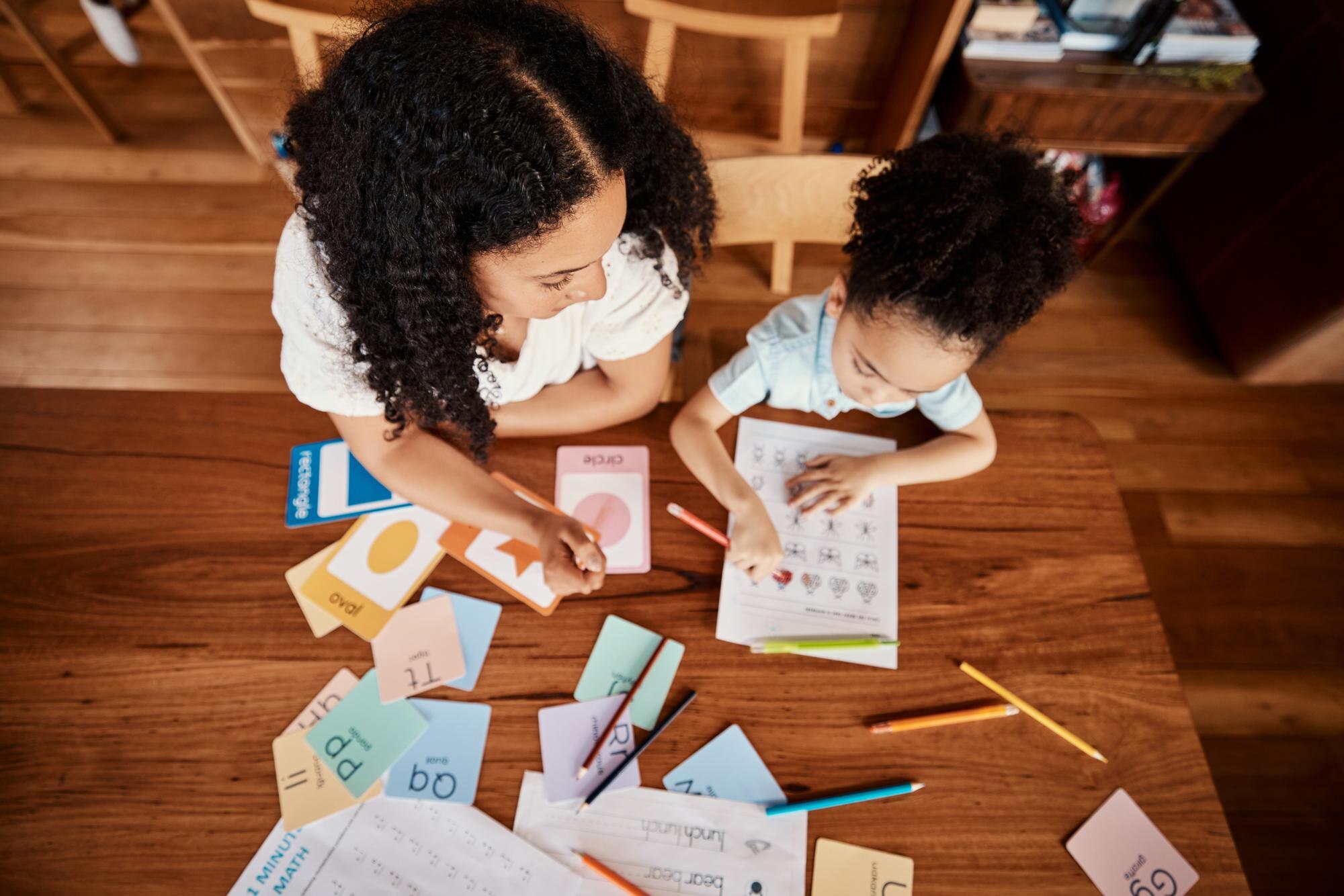
When your child is bright, curious, and capable but still struggles to read simple words or spell ones they know out loud, it can feel confusing and painful at the same time. Online dyslexia tutoring for kids can be a turning point, but only when it is built on the right kind of instruction. For children with dyslexia, progress usually does not come from more worksheets, more guessing strategies, or more time spent hoping reading will finally click.
What helps is explicit, systematic teaching that matches how dyslexic students learn best. That is why families often see the biggest change when tutoring is not general homework help, but specialized intervention focused on reading, spelling, and confidence together.
What makes online dyslexia tutoring for kids different?
A child with dyslexia does not need a tutor who simply sits beside them while they finish school assignments. They need someone who understands why reading feels hard in the first place and knows how to teach the missing skills directly.
Strong online dyslexia tutoring starts with structured literacy. That means lessons are taught in a clear sequence, from simple to more complex, with no assumption that a child will just pick things up naturally. Skills like sound-symbol relationships, syllable types, spelling rules, and decoding patterns are taught explicitly and reviewed often.
This matters because many struggling readers have already spent months or years being told to read more, try harder, or use context clues. For a child with dyslexia, those approaches often create frustration instead of growth. Specialized tutoring changes the experience. It gives the child a path they can actually follow.
Why online tutoring can work so well
Some parents still wonder whether virtual sessions can really help with a reading-based learning difference. It is a fair question. The short answer is yes, online tutoring can be highly effective when the instruction is specialized and interactive.
For many children, learning at home actually lowers stress. They are in a familiar environment, they do not have to transition to another office after a long school day, and they can work one-on-one with a tutor who keeps the pace focused and supportive. That reduced pressure often helps children participate more freely and take academic risks they might avoid in a classroom.
Online delivery also gives families access to true specialists, not just whoever happens to be nearby. That can be a major advantage if you live in an area where dyslexia intervention is limited or where schools do not offer the type of reading instruction your child needs.
Of course, online tutoring is not identical to in-person support. Some younger children need time to adjust to the format. Some benefit from parent help at the beginning, especially with logging in, managing materials, or staying settled. But once routines are established, many students do very well and even prefer the consistency of remote lessons.
What parents should look for in a tutor
Not all reading tutors are trained to work with dyslexia. That distinction matters more than many families realize.
A good fit starts with training in structured literacy and experience teaching students who struggle with decoding, spelling, and reading fluency. Parents should also look for a tutor who can explain what they are teaching and why. If the approach sounds vague, heavily game-based without clear skill instruction, or focused mainly on reading practice rather than teaching underlying patterns, that is worth questioning.
Programs rooted in explicit, sequential instruction tend to be the most effective for dyslexic learners. The Barton Reading and Spelling System is one example that many families seek out because it is designed specifically for students with dyslexia and builds skills in a logical, cumulative way. Rather than asking children to memorize disconnected words, it teaches them how the language works.
That kind of instruction is especially important for children who have already been through interventions that did not produce meaningful progress. When a child has been working hard without results, parents need more than encouragement. They need a proven method and a tutor who knows how to use it skillfully.
Signs the tutoring is actually helping
Parents sometimes expect progress to show up first in report cards or test scores. Those things can improve, but the earliest signs are often smaller and just as important.
A child may stop fighting reading time. They may begin decoding unfamiliar words instead of guessing. Their spelling may become more consistent. You may hear less “I can’t” and more willingness to try.
These shifts matter because reading progress is not only academic. It is emotional. Children who have struggled for a long time often start to believe they are bad at school, even when they are intelligent and capable. Effective tutoring helps rebuild trust in their own ability.
Over time, stronger foundational skills can support better classroom performance, smoother homework routines, and improved comprehension. But it is important to be realistic. Dyslexia intervention is not usually a quick fix. Good tutoring is steady, intentional work that builds lasting change one layer at a time.
How sessions should feel for your child
The best tutoring is structured, but it should never feel cold. Children need lessons that are clear and challenging, but they also need a tutor who notices when they are discouraged, celebrates real progress, and understands how exhausting reading struggles can be.
That balance of expertise and encouragement is what helps students stay engaged. A child should leave a session feeling supported, not defeated. That does not mean every lesson is easy. In fact, productive lessons often require effort. But the effort should feel purposeful, with enough success built in that the child can see growth happening.
For many families, this is one of the biggest differences between specialized dyslexia tutoring and general academic support. The goal is not simply to get through assignments. The goal is to teach the child in a way that finally makes reading and spelling more manageable.
When to start online dyslexia tutoring
Parents often ask whether they should wait until a formal diagnosis is complete. Sometimes a diagnosis is helpful, especially for school planning and accommodations, but you do not always need to wait to get support.
If your child consistently struggles with reading accuracy, spelling, sounding out words, or retaining phonics patterns, those are signs that targeted intervention may be appropriate. The earlier a child gets the right help, the better. That said, older students can still make excellent progress. It is never too late to teach reading in a more effective way.
Elementary years are often the most common time to begin, but middle school students also benefit greatly when the instruction is respectful, age-appropriate, and tied to real skill gaps. Older children may carry more frustration and embarrassment, so the tutor’s approach becomes even more important.
A parent partnership matters
The most effective online tutoring relationships usually include parents as partners, not because you need to become the teacher, but because your insight matters. You see the homework battles, the emotional toll, and the small wins that happen between sessions.
A strong tutor will communicate clearly about goals, progress, and next steps. They should help you understand what your child is working on and what kind of growth to expect over time. That clarity can be a huge relief when you have spent months trying to piece together answers on your own.
At THRIVE! Remote Tutoring & Dyslexia Services, that parent partnership is part of what makes specialized support feel more manageable. Families are not just looking for a lesson on a screen. They are looking for experienced guidance that helps their child’s school performance reflect what they are truly capable of.
Choosing support that fits your child
There is no single tutoring setup that fits every family. Some children need two or three sessions a week. Others do well with a different pace. Some need support focused almost entirely on decoding and spelling, while others also need help with comprehension or math because learning struggles rarely stay in one lane.
That is why the right question is not simply, “Does online tutoring work?” The better question is, “Is this tutoring specialized enough for my child, and is it being delivered in a way that supports real progress?”
If the answer is yes, online tutoring can do much more than improve reading scores. It can change how your child sees school, effort, and themselves. And for many families, that is the moment things finally start to move in the right direction.
Your child does not need more pressure to prove they can learn. They need instruction that makes learning possible, and a caring expert who knows how to help them get there.